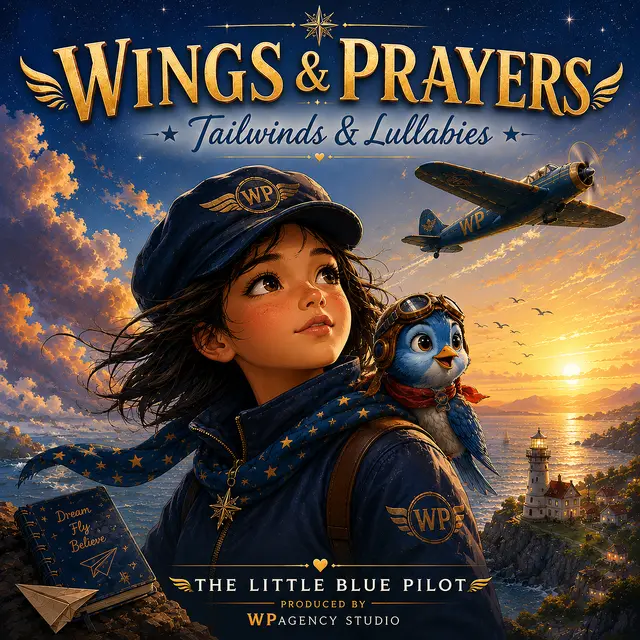
The Little Blue Pilot is the whole cast, really — one small blue bird with goggles and more nerve than wingspan. The lullaby is about him, the six-scene story script follows him, all 28 logbook badge birds are him living out different moments, and the album is released under his name. He is not fast, and not far. Just true.
The pilots below are the game's complete avatar deck — all 21 identities a player can fly as, in the order the game presents them. Each ships with a real aviation brief: a habit of actual flying, not a fantasy stat block. Every brief is verbatim from the game:

Calm Captain
The calm captain flies ahead of the airplane: brief, scan, decide, then act. In aviation, calm is an operating skill.
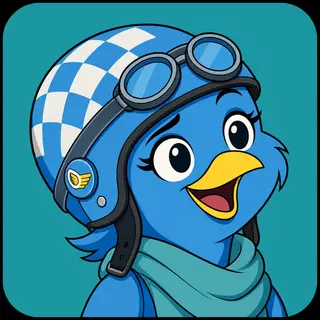
Wingmate
A wingmate is the pilot watching your six. Formation flying depends on trust, spacing, and clean communication.
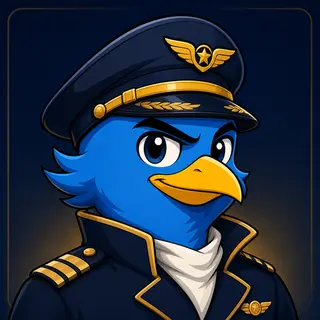
High Altitude
High altitude means thin air, bigger margins, and disciplined energy management. The view is earned by the climb.
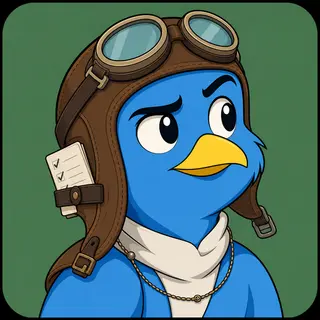
Systems Mind
Systems-minded pilots know what every switch, gauge, and warning is trying to tell them before it becomes drama.
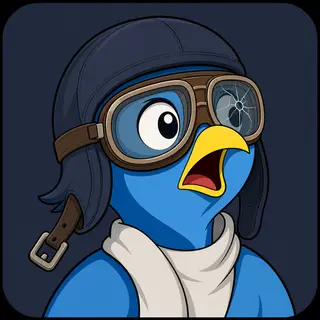
Storm Runner
Storm runners respect weather instead of wrestling it. The smart move is reading the sky early and staying flexible.
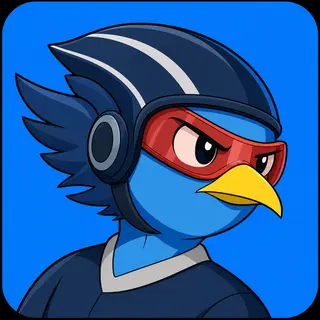
Sonic Boom
Sonic boom energy is about precision at pace. Fast pilots still fly smooth, because speed magnifies every input.
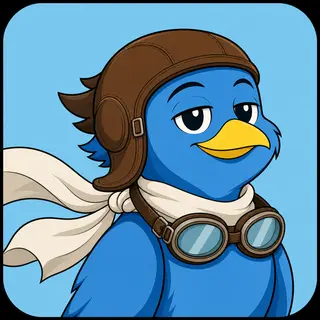
Solar Glider
A tailwind helps you cover ground faster. Good pilots use the gift without letting it shrink their safety margins.
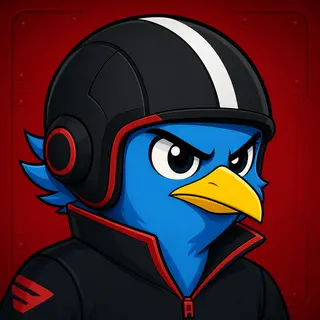
Bold Flyer
Bold flying is confident, not reckless. It means committing once the checklist, weather, and runway picture agree.
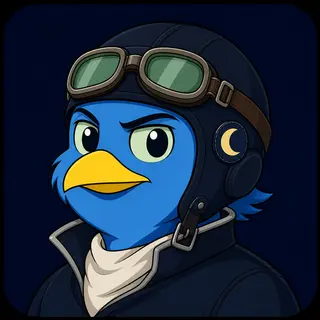
Night Navigator
Night navigation leans on instruments, lighting, and trust in procedure when the horizon gets quiet.
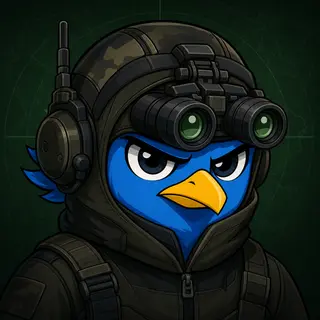
Deep Recon
Recon is patient observation. The best pilots notice patterns early: weather, traffic, terrain, and timing.
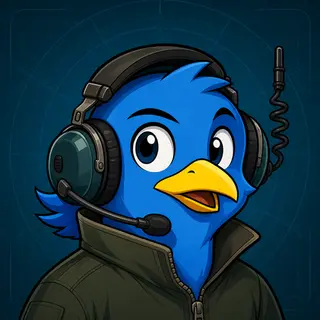
Echo Scout
Scouts listen for echoes: radio calls, traffic hints, and subtle changes that tell you what is coming next.
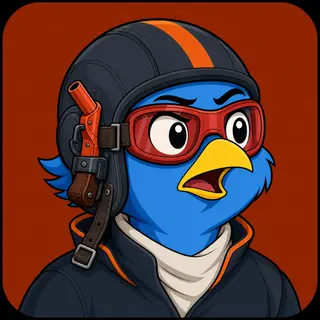
Flare Pilot
The flare is the final landing touch, trading descent for smooth touchdown. Tiny inputs matter most near the runway.
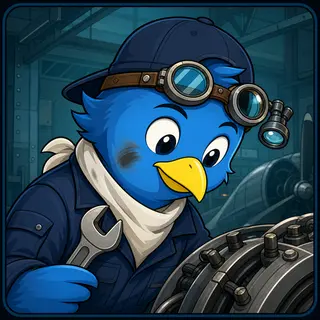
Gear Head
Gear heads love mechanisms. They understand that aircraft are systems of systems, and each one deserves respect.
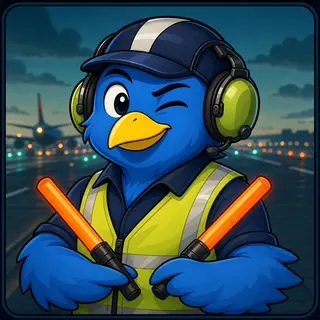
Ground Crew
Ground crew keeps the mission honest before takeoff: fuel, tires, fluids, locks, covers, and the quiet details.
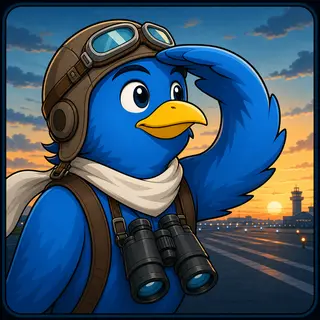
Horizon Watcher
The horizon watcher keeps attitude, weather, and terrain in one mental picture. Eyes outside, mind ahead.
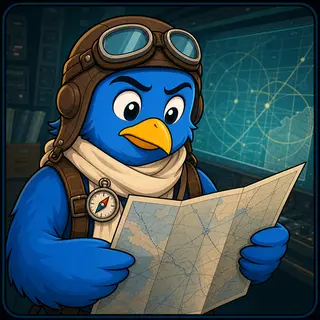
Map Reader
Map readers turn a route into decisions: checkpoints, alternates, airspace, terrain, and fuel timing.
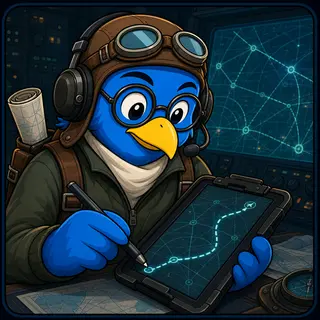
Route Cartographer
Cartographers think in legs, winds, alternates, and escape routes. A good route is a plan with options.
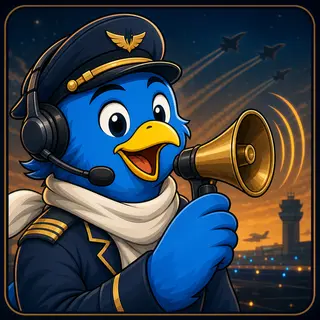
Sky Herald
A herald carries the call. In the cockpit, clear communication keeps the crew, tower, and traffic aligned.
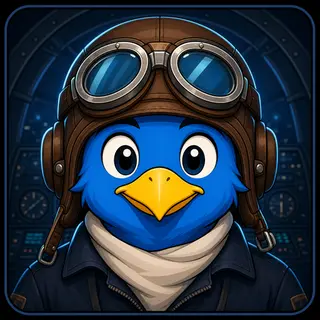
Helmet Core
Helmet-core pilots bring focus under pressure. The cockpit can get loud; the scan stays quiet and deliberate.
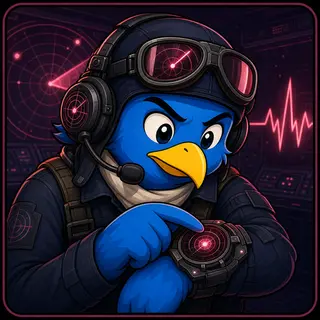
Pulse Hunter
Pulse hunters track rhythm: engine tone, workload, weather changes, and the timing of a good decision.
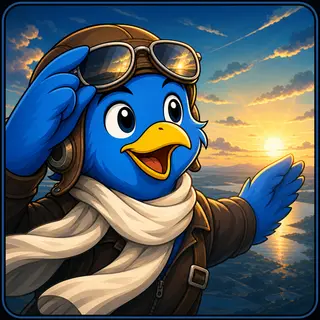
Sun Seeker
Sun seekers chase the clean horizon. In aviation, light helps visibility, planning, and the joy of the flight.
The whole deck — and the 28 badge birds it flies alongside — lives in the game on Google Play.